-
×
 Jon Benson – VSL Fast Track 2018
1 × $48.00
Jon Benson – VSL Fast Track 2018
1 × $48.00 -
×
 Michael Merlino – CTR Geeks Course
1 × $9.00
Michael Merlino – CTR Geeks Course
1 × $9.00 -
×
 The Siege Media Team – SiegeLearn Content Marketing Course
1 × $9.00
The Siege Media Team – SiegeLearn Content Marketing Course
1 × $9.00 -
×
 Cris Chico – Find Motivated Sellers Online
1 × $54.95
Cris Chico – Find Motivated Sellers Online
1 × $54.95 -
×
 Adrian Salisbury – Ecamm Live Academy
1 × $9.00
Adrian Salisbury – Ecamm Live Academy
1 × $9.00 -
×
 Matt Clark and Jason Katzenback – Amazing Selling Machine 11
1 × $9.00
Matt Clark and Jason Katzenback – Amazing Selling Machine 11
1 × $9.00 -
×
 Adam Eason – Brain In Your Underwear New Verslon
1 × $9.00
Adam Eason – Brain In Your Underwear New Verslon
1 × $9.00 -
×
 Philipp Humm – Power of StorySelling
1 × $9.00
Philipp Humm – Power of StorySelling
1 × $9.00 -
×
 Lee Holden – Blue Dragon Qi Gong Workshop
1 × $47.00
Lee Holden – Blue Dragon Qi Gong Workshop
1 × $47.00 -
×
![Wei Qi Feng Laoshi – Self-Healing Methods Of The Circulatory System [Recordings ONLY]](https://www.thedlcourse.com/wp-content/uploads/2024/11/Wei-Qi-Feng-Laoshi-–-Self-Healing-Methods-Of-The-Circulatory-System-Recordings-ONLY-247x339.jpg) Wei Qi Feng Laoshi – Self-Healing Methods Of The Circulatory System [Recordings ONLY]
1 × $32.00
Wei Qi Feng Laoshi – Self-Healing Methods Of The Circulatory System [Recordings ONLY]
1 × $32.00 -
×
 Jim Huntzicker – MLS Domination
1 × $30.00
Jim Huntzicker – MLS Domination
1 × $30.00 -
×
 Steven Pieper – Author Marketing Mastery Through Optimization 4
1 × $9.00
Steven Pieper – Author Marketing Mastery Through Optimization 4
1 × $9.00 -
×
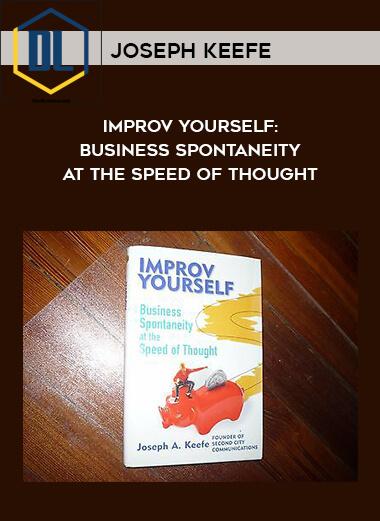 Joseph Keefe – Improv Yourself: Business Spontaneity at the Speed of Thought
1 × $17.00
Joseph Keefe – Improv Yourself: Business Spontaneity at the Speed of Thought
1 × $17.00


-83%

Buy With Coupon: DLC25 (-25%)
Aaron Testard – LGBTQ Clients in Today’s World: Treatment Strategies for Gender & Sexual Identity Issues
Original price was: $219.90.$37.00Current price is: $37.00.
Product Delivery : Instant Deliver
Description
Aaron Testard – LGBTQ Clients in Today’s World: Treatment Strategies for Gender & Sexual Identity Issues

With the variety of terms and ideas in today’s LGBTQ+ culture, it’s easy to feel lost in the complexity of sexual and gender identity, while also feeling overwhelmed by the fear of inadvertently offending your client somehow.
But it doesn’t have to be this way! Aaron Testard is here to bring you the latest research and trends in sexual and gender identity issues.
This training will give you:
- Tools and knowledge to confidently work with clients on any part of the sexuality-gender spectrum
- Clear strategies to comfortably engage clients around cultural norms, gender, sex, relationships, and terminology
- A navigation map to tailor treatment approaches each step of the way in the client’s self-discovery process
Build trust and credibility with your LGBTQ+ clients by expanding your knowledge of this ever-evolving population.
Objectives
- Appraise current trends and perspectives in the LGBTQ community, and the implications for clinical work.
- Build safety and trust effectively with LGBTQ clients in clinical practice.
- Analyze the main factors impacting treatment and the identity development process of LGBTQ clients.
- Analyze the phases of identity development for LGBTQ clients to better inform treatment planning.
- Integrate LGBTQ history and knowledge into the clinical session.
- Determine treatment strategies to help clients in each phase of LGBTQ identity development.
Outline
What you Need to Know to Establish Safety, Trust, and Credibility with LGBTQ+ Clients
- Understand LGBTQ+ history and its impact on present models of sexuality and gender
- 2 key questions to ask during an intake session to establish safety and trust
- Current trends in the ever-evolving dating and hook-up culture
- Learn up-to-date terminology and genderaffirming language including SOGIE, GSM, and more!
Important Treatment Considerations
- Trauma as a key factor for LGBTQ+ mental health
- Covert cultural sexual abuse and other traumas
- Gender dysphoria diagnosis – what does it mean and when to use it?
- How attachment injury affects LGBTQ+ development
- The phases of sexual and gender identity development
Clinical Interventions to Support Clients Through Each Phase of LGBTQ+ Identity Development
Phase 1: Pre-Coming Out and Confusion
- Key Issues: Identify and defuse internal judgements about behaviour, thoughts, desires
- Treatment Strategies:
- Educate on gender and body dysphoria
- Sexual health assessment and education
Phase 2: Comparison and Consideration
- Key Issues: Exploration of LGBTQ+ information and overcome barriers to coming out
- Treatment Strategies:
- Questions that effectively address barriers and potential loss
- Inquire and challenge without pushing beyond client readiness
- Psychoeducational tools to help clients consider their identity
Phase 3: Tolerance and Exploration
- Key Issues: Address shame and deeper exploration of gender and/or sexual identity
- Treatment Strategies:
- Help clients build their unique support system
- Apply ACT matrix and Functional Analytic Psychotherapy principles to address shame and internalized homophobia
- Psychoeducation and information on gender transition steps
Phase 4: Acceptance and Deepening
- Key Issues: Support coming out/transition process and address internalized homophobia
- Treatment Strategies:
- Utilize WPATH Standards of Care to support clients in transitioning
- Guided visualizations for challenging coming out situations
- Tools to build resilience with increased visibility
Phase 5: Pride and Commitment
- Key Issues: Validation of anger, process trauma, grief, and loss related to being LGBTQ+
- Treatment Strategies:
- Manage anger about oppression, teach clients the 4 roles in social change
- Trauma-informed techniques for processing traumatic memories
- Release pain of grief and loss through EMDR, IFS, Sensorimotor, and other techniques
Phase 6: Synthesis and Integration
- Key Issues: Continue emotional processing and revisit earlier phases as needed
- Treatment Strategies:
- Address continued minority stress
- Know when to re-engage in earlier stages of development
Readmore about: Aaron Testard
Delivery Policy
When will I receive my course?
You will receive a link to download your course immediately or within 1 to 21 days. It depends on the product you buy, so please read the short description of the product carefully before making a purchase.
How is my course delivered?
We share courses through Google Drive, so once your order is complete, you'll receive an invitation to view the course in your email.
To avoid any delay in delivery, please provide a Google mail and enter your email address correctly in the Checkout Page.
In case you submit a wrong email address, please contact us to resend the course to the correct email.
How do I check status of my order?
Please log in to TheDLCourse account then go to Order Page. You will find all your orders includes number, date, status and total price.
If the status is Processing: Your course is being uploaded. Please be patient and wait for us to complete your order. If your order has multiple courses and one of them has not been updated with the download link, the status of the order is also Processing.
If the status is Completed: Your course is ready for immediate download. Click "VIEW" to view details and download the course.
Where can I find my course?
Once your order is complete, a link to download the course will automatically be sent to your email.
You can also get the download link by logging into your TheDLCourse account then going to Downloads Page.
Related products

-73%

Original price was: $99.90.$27.00Current price is: $27.00.
-62%

Original price was: $52.00.$19.90Current price is: $19.90.
-60%

Original price was: $50.00.$20.00Current price is: $20.00.
-98%

Original price was: $997.00.$15.00Current price is: $15.00.
-33%

Original price was: $29.90.$20.00Current price is: $20.00.
-75%

Original price was: $150.00.$37.00Current price is: $37.00.