-
×
 Jack Corsellis – Breakout Strategy Course
1 × $39.00
Jack Corsellis – Breakout Strategy Course
1 × $39.00 -
×
 The Landshark Method
2 × $9.00
The Landshark Method
2 × $9.00 -
×
 Jerry Acuff – Selling Excellence by Thinking Like a Customer
1 × $9.00
Jerry Acuff – Selling Excellence by Thinking Like a Customer
1 × $9.00 -
×
 Greg Greenway – Social Supremacy Blueprint
1 × $9.00
Greg Greenway – Social Supremacy Blueprint
1 × $9.00 -
×
 Ethan Vorly – The Meditation Solution (12 levels)
1 × $67.00
Ethan Vorly – The Meditation Solution (12 levels)
1 × $67.00 -
×
 Agency Mavericks – The Godfather Method
1 × $105.00
Agency Mavericks – The Godfather Method
1 × $105.00 -
×
 Lee Holden – Acupressure Facelift & Rejuvenation Qi Gong Workshop
1 × $39.00
Lee Holden – Acupressure Facelift & Rejuvenation Qi Gong Workshop
1 × $39.00 -
×
 Cole Gordon – 8 Figure Boardroom Mastermind
1 × $9.00
Cole Gordon – 8 Figure Boardroom Mastermind
1 × $9.00 -
×
 Jason Julius – Rock Hard Code
1 × $16.00
Jason Julius – Rock Hard Code
1 × $16.00 -
×
 Depesh Mandalia – The AI Powered Facebook Ads & Offers Workshop May 2024
1 × $9.00
Depesh Mandalia – The AI Powered Facebook Ads & Offers Workshop May 2024
1 × $9.00 -
×
 DAN BACON – Alpha Male Power
1 × $45.00
DAN BACON – Alpha Male Power
1 × $45.00 -
×
 Julie Solomon – Pitch It Perfect
3 × $67.00
Julie Solomon – Pitch It Perfect
3 × $67.00 -
×
 Managing and Thriving in Uncertainty John Overdurf
1 × $9.00
Managing and Thriving in Uncertainty John Overdurf
1 × $9.00 -
×
 Alison Armstrong – The Heart of Partnership
2 × $92.00
Alison Armstrong – The Heart of Partnership
2 × $92.00 -
×
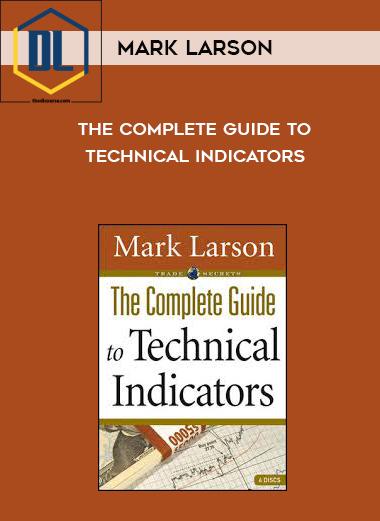 Mark Larson – The Complete Guide to Technical Indicators
2 × $39.00
Mark Larson – The Complete Guide to Technical Indicators
2 × $39.00 -
×
 John Assaraf – Winning The Inner Game of Money
1 × $46.00
John Assaraf – Winning The Inner Game of Money
1 × $46.00 -
×
 Gabriel Guerrero – Explorando Metaforas Hipnoticas
1 × $29.90
Gabriel Guerrero – Explorando Metaforas Hipnoticas
1 × $29.90 -
×
 Alek Sheffield – The Six-figure Storefront
1 × $9.00
Alek Sheffield – The Six-figure Storefront
1 × $9.00 -
×
 Eric Worre – First Steps in Network Marketing Master Class
1 × $9.00
Eric Worre – First Steps in Network Marketing Master Class
1 × $9.00 -
×
 Allie Bloyd – The Local Lead Generation Masterclass
1 × $19.00
Allie Bloyd – The Local Lead Generation Masterclass
1 × $19.00 -
×
 Brian & Kam – Trading with Auction Market Theory and Volume Profiles
2 × $10.00
Brian & Kam – Trading with Auction Market Theory and Volume Profiles
2 × $10.00 -
×
 Just for Traders – Options Buying Course
1 × $9.00
Just for Traders – Options Buying Course
1 × $9.00 -
×
 Tammy Chambless – Multiple Entry Iron Condor
1 × $79.00
Tammy Chambless – Multiple Entry Iron Condor
1 × $79.00 -
×
 Simpler Options – Ultimate Options Trading Blueprint
1 × $19.00
Simpler Options – Ultimate Options Trading Blueprint
1 × $19.00 -
×
 Vishen Lakhiani – Be Extraordinary for Teens
1 × $9.00
Vishen Lakhiani – Be Extraordinary for Teens
1 × $9.00 -
×
 Lorell Lane – Social Sales Lab
1 × $9.00
Lorell Lane – Social Sales Lab
1 × $9.00 -
×
 Robert Jacobs – Hypnotic Seduction
1 × $9.00
Robert Jacobs – Hypnotic Seduction
1 × $9.00 -
×
 Astra Gallery – The Art of Generating AI Content
1 × $20.00
Astra Gallery – The Art of Generating AI Content
1 × $20.00 -
×
 Kelly Felix – Underestimated
1 × $9.00
Kelly Felix – Underestimated
1 × $9.00 -
×
 Jason Wojo – 60 Viral Video Scripts (60 Viral Topics + 60 Hooks Bundle)
1 × $11.00
Jason Wojo – 60 Viral Video Scripts (60 Viral Topics + 60 Hooks Bundle)
1 × $11.00 -
×
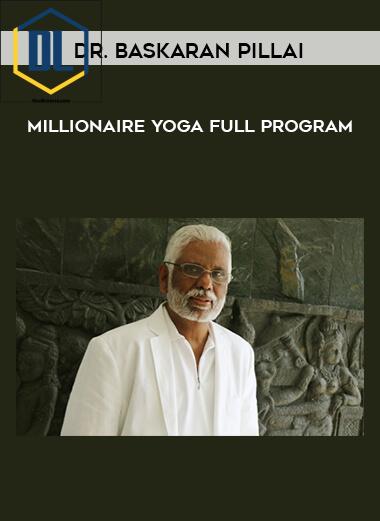 Dr. Baskaran Pillai – Millionaire Yoga – Full Program
1 × $37.00
Dr. Baskaran Pillai – Millionaire Yoga – Full Program
1 × $37.00 -
×
 Jason Henderson – “Email Response Warrior + Email Inbox Warrior”
1 × $9.00
Jason Henderson – “Email Response Warrior + Email Inbox Warrior”
1 × $9.00 -
×
 John Demartini – The Loving Relationship Formula
1 × $30.00
John Demartini – The Loving Relationship Formula
1 × $30.00 -
×
 Ra Uru Hu – Design Concepts
1 × $85.00
Ra Uru Hu – Design Concepts
1 × $85.00 -
×
 Ginny and Laura – 400K Instagram Launches
1 × $9.00
Ginny and Laura – 400K Instagram Launches
1 × $9.00 -
×
 Joseph Riggio – 7 Days to Genius – Make 2018 Your Best Year Ever GB
1 × $55.00
Joseph Riggio – 7 Days to Genius – Make 2018 Your Best Year Ever GB
1 × $55.00 -
×
 Brent Smith – Bulletproof Banter
1 × $17.00
Brent Smith – Bulletproof Banter
1 × $17.00 -
×
 Complete 32+ Hour Video Training Course 2008
1 × $25.00
Complete 32+ Hour Video Training Course 2008
1 × $25.00 -
×
 David Snyder – Secrets of Face Reading and Chinese Medical Hypnotherapy 2018
1 × $97.00
David Snyder – Secrets of Face Reading and Chinese Medical Hypnotherapy 2018
1 × $97.00 -
×
 Jermaine Francois – The Only Astra Academy
1 × $65.00
Jermaine Francois – The Only Astra Academy
1 × $65.00 -
×
 David Wygant - The Art of Close
1 × $20.00
David Wygant - The Art of Close
1 × $20.00 -
×
 Peggy McColl – Skipping Levels All Access Pass
1 × $9.00
Peggy McColl – Skipping Levels All Access Pass
1 × $9.00 -
×
 Nadine Lee – Erotic Pulse
1 × $194.00
Nadine Lee – Erotic Pulse
1 × $194.00 -
×
 Brian Choi – Real Sales System
1 × $9.00
Brian Choi – Real Sales System
1 × $9.00 -
×
 Kyle Milligan – The Process – A Draft By Draft Copywriting Walkthrough
1 × $49.00
Kyle Milligan – The Process – A Draft By Draft Copywriting Walkthrough
1 × $49.00 -
×
 TrendyOutlet – Viral Video Hooks Pack
1 × $12.00
TrendyOutlet – Viral Video Hooks Pack
1 × $12.00 -
×
 Alexandra Danieli – Selling for Projectors
2 × $39.00
Alexandra Danieli – Selling for Projectors
2 × $39.00 -
×
 Gemma Bonham-Carter – The Passive Project
1 × $9.00
Gemma Bonham-Carter – The Passive Project
1 × $9.00 -
×
 The Sedona - Method Facilitator Training 2019
1 × $85.00
The Sedona - Method Facilitator Training 2019
1 × $85.00 -
×
 Melissa Yeager – Balanced Branding
1 × $9.00
Melissa Yeager – Balanced Branding
1 × $9.00 -
×
 Cris Chico – Find Motivated Sellers Online
1 × $54.95
Cris Chico – Find Motivated Sellers Online
1 × $54.95 -
×
 Jack Duncan – The DREAM Business
1 × $9.00
Jack Duncan – The DREAM Business
1 × $9.00 -
×
 John La Tourrette – Kahuna Mana Mana Secrets, Joy Generators
1 × $20.00
John La Tourrette – Kahuna Mana Mana Secrets, Joy Generators
1 × $20.00 -
×
 John Randolph Price – The Manifestation Process: 10 Steps to the Fulfillment of Your De
1 × $27.00
John Randolph Price – The Manifestation Process: 10 Steps to the Fulfillment of Your De
1 × $27.00



Buy With Coupon: DLC25 (-25%)
David Zemach-Bersin – Relaxercise – Felder)krais Made Easy
$19.90
Product Delivery : Instant Deliver
Description
David Zemach-Bersin – Relaxercise – Felder)krais Made Easy
Salepage: David Zemach-Bersin – Relaxercise – Felder)krais Made Easy
In 1942, Dr. Moshe Feldenkrais, a brilliant and respected physicist, faced one of the most critical challenges of his lifetime. Because he had suffered a series of sports related knee injuries, he was now painfully crippled. Medical specialists offered him surgery, but had given him a disheartening prognosis.
Feldenkrais chose not to undergo the proposed surgery. Instead, he began to study neurology, anatomy, biomechanics and human movement development. He knew that in order to walk again, he would have to find a way to create new neurological connections between his nervous system and his muscles.
After two years of research and experimentation, he emerged victorious. He had developed a way to improve his body by activating the natural power of his brain and nervous system. Inspired by his personal success, Feldenkrais continued to explore the profound link between the brain and body, and developed hundreds of unique exercises designed to access the movement learning centers of the brain.
In order for you to take advantage of your body’s extraordinary ability to improve itself through sensory motor learning (the way our bodies learn naturally, through trial and error,) you must give your brain an opportunity to detect and reduce the unnecessary, counterproductive muscular effort in your body.
Research in neurophysiology has shown that when we exert a lot of muscular effort, it is impossible for our brain to make the sensory distinction needed to improve our neuromuscular organization. This is why conventional exercise, with its reliance on muscular effort, force and speed, actually restricts your brain’s ability to work on your body’s behalf. When we use minimal muscular effort, our brain is free to make important sensory distinctions.
For example, if you hold a heavy object, you have to exert a considerable amount of muscular effort. If a fly lands on the heavy object as you’re holding it, you cannot feel the very slight increase in weight. But if you hold something that is very light, like a feather, you do not need to exert a lot of muscular effort. If a fly lands on the feather, you can easily feel the increase in weight because your brain is free to sense even the slightest difference or change.
Relaxercise exercises, which we developed from Feldenkrais’ work, apply the powerful neurological rule that less muscular effort produces more sensory learning and physical improvement. The following exercise involves slow, easy movements that activate your brain’s movement centers and generate a flow of valuable information between your brain and your muscles. Automatically, as if by magic, tension, strain, fatigue and discomfort will disappear as your neuromuscular system reprograms itself for better health.
For this exercise you will need a hard or firmly cushioned chair.
Use these Relaxercise Keys:
- Go slowly.
- Make each movement small and easy.
- Relax as much as you can.
- Rest briefly after each movement.
Starting position: Sit on the forward part of the chair and rest your hands on your thighs. Rest your feel flat on the floor, shoulder width apart, directly below your knees.
Repeat each of the following movements 4 to 8 times.
1) Slowly and comfortably raise your head and eyes as if to look up toward the ceiling. Then return to the starting position (facing forward) and relax.
- Don’t stretch or strain your neck or back. Your flexibility will increase automatically.
- As you look up, let your back arch slightly.
- Exhale as you do each movement.
- As you look up, notice exactly how far above your eyes can see without feeling any strain. Later on, you can measure your improvement.
2) Simultaneously, raise your head and arch your back a little, while looking downward with your eyes.
- Go slowly. This movement will soon be easier and more comfortable.
- The movement of your head and neck is limited because your head and eyes are moving in opposite directions.
- Relax your eyes, neck and shoulders.
3) Simultaneously, raise your head and eyes to look up toward the ceiling while arching your back.
- Is your back arching more easily?
- Can you see a little higher without any strain?
4) Very slowly lower your head as if to look down toward the floor. Then return to the starting position and relax.
- Make each movement small and easy.
- When you look down, let your back get round.
- Exhale as you do each movement.
- Relax your neck, chest and shoulders.
5) Simultaneously, lower your head and round your back, while raising your eyes to look upward.
- Notice that the movement of your head and chest is limited because your head and eyes are moving in opposite directions.
6) Again, raise your head and eyes to look upward, while arching your back.
- Notice that your eyes can see a little farther upward without strain!
- Feel the middle and upper part of your back beginning to arch a little more.
7) Let your head hang down, so your chin rests comfortably near your chest. Then slowly arch your back.
- Relax your neck, stomach and shoulders.
- Notice that your pelvis tilts forward slightly when you arch your back.
- Exhale while doing each movement.
8) And once more, raise your head and eyes to look upward while arching your back.
- Feel your spine arching.
- Notice how far upward you can look now, without feeling any strain.
9) Slowly, lift your head and eyes to look upward, while arching your back. Then slowly lower your head and eyes and round your back.
As you look upward, notice:
- Your shoulder blades move closer together.
- Your stomach relaxes and moves forward.
- Your pelvis tilts forward a little.
- Your chest lifts and moves forward.
- Your body gets a little taller.
As you look downward, notice:
- Your chest flattens.
- Your shoulders and back are rounded.
- Your pelvis tilts backward a little.
- Your body gets a little shorter.
10) Turn your upper body comfortably to the right and stay there. Then alternately raise your head and eyes to look upward while arching your back, and then lower your head while rounding your back.
- Remain turned slightly to the right.
- Pause to rest when your head and eyes are lowered.
- To make the movement easier, lift your left hip slightly as you look up.
- Relax your neck, shoulders and legs as much as possible.
11) Turn your upper body comfortably to the left and stay there. Then alternately raise your head and eyes to look upward while arching your back, and then lower your head while rounding your back.
- Remain turned slightly to the left.
- As you look upward, lift your right hip slightly.
- Relax your neck, shoulders and legs as much as you can.
12) Slowly turn to the right, while arching your back and looking upward. Then, while lowering your head and rounding your back, bring your body back through the starting position and turn slowly to the left, while arching your back and looking upward. Lower your head and round your back as you bring your body through the starting position again and repeat the movement.
- This movement is smooth and continuous.
- Notice that when you turn to the right and look upward, your left hip rises a little. And when you turn to the left and look upward, your right hip rises a little.
- Notice that when you look upward, your shoulder blades move closer together. And when you look downward, your shoulder blades move farther apart.
- Arch your back as much as you can without feeling any strain.
- Round your back as much as you can without feeling any strain.
13) Measure your improvement. Lift your head and eyes to look upward while arching your back.
- When you look up, notice how much farther you can see without any strain!
- Feel your entire spine bending easily!
- Feel the difference!
And now, relax. Feel how your weight is balanced, resting comfortably on your pelvic sitting bones. Notice that your posture is more upright. Your sitting posture has improved because the natural arches of your spine have been enhanced and restored.
You have completed “A Healthy Spine”. When you stand up and walk around, feel the difference in your posture, flexibility and ease of movement.
Readmore about : David Zemach-Bersin
Delivery Policy
When will I receive my course?
You will receive a link to download your course immediately or within 1 to 21 days. It depends on the product you buy, so please read the short description of the product carefully before making a purchase.
How is my course delivered?
We share courses through Google Drive, so once your order is complete, you'll receive an invitation to view the course in your email.
To avoid any delay in delivery, please provide a Google mail and enter your email address correctly in the Checkout Page.
In case you submit a wrong email address, please contact us to resend the course to the correct email.
How do I check status of my order?
Please log in to TheDLCourse account then go to Order Page. You will find all your orders includes number, date, status and total price.
If the status is Processing: Your course is being uploaded. Please be patient and wait for us to complete your order. If your order has multiple courses and one of them has not been updated with the download link, the status of the order is also Processing.
If the status is Completed: Your course is ready for immediate download. Click "VIEW" to view details and download the course.
Where can I find my course?
Once your order is complete, a link to download the course will automatically be sent to your email.
You can also get the download link by logging into your TheDLCourse account then going to Downloads Page.
Related products
-82%

Original price was: $197.00.$35.00Current price is: $35.00.
-62%

Original price was: $52.00.$19.90Current price is: $19.90.
-67%
Original price was: $29.90.$10.00Current price is: $10.00.
-98%
Original price was: $997.00.$15.00Current price is: $15.00.
-76%

Original price was: $177.00.$43.00Current price is: $43.00.
-75%

Original price was: $150.00.$37.00Current price is: $37.00.
-25%
Original price was: $19.90.$15.00Current price is: $15.00.