-
×
 BowesPublishing – The EVERYTHING Bundle 2024 (KDP)
1 × $9.00
BowesPublishing – The EVERYTHING Bundle 2024 (KDP)
1 × $9.00 -
×
 Tammy Chambless – Multiple Entry Iron Condor
1 × $79.00
Tammy Chambless – Multiple Entry Iron Condor
1 × $79.00 -
×
 Cole Gordon – 8 Figure Boardroom Mastermind
1 × $9.00
Cole Gordon – 8 Figure Boardroom Mastermind
1 × $9.00 -
×
 Ross Jeffries – New Code Next Generation
1 × $21.00
Ross Jeffries – New Code Next Generation
1 × $21.00 -
×
 Doug O’Brien – Two Inductions For Learning Integration
1 × $12.00
Doug O’Brien – Two Inductions For Learning Integration
1 × $12.00 -
×
 Master Trader – Learn Trading Late Day Breakouts & Breakdowns
1 × $19.00
Master Trader – Learn Trading Late Day Breakouts & Breakdowns
1 × $19.00 -
×
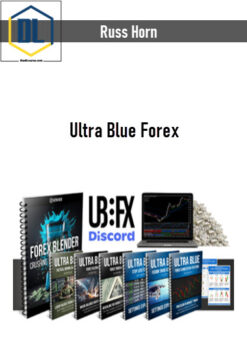 Russ Horn – Ultra Blue Forex
1 × $9.00
Russ Horn – Ultra Blue Forex
1 × $9.00 -
×
 Jerry Acuff – Selling Excellence by Thinking Like a Customer
1 × $9.00
Jerry Acuff – Selling Excellence by Thinking Like a Customer
1 × $9.00 -
×
 David Snyder – Defense Against The Dark Arts
1 × $47.00
David Snyder – Defense Against The Dark Arts
1 × $47.00 -
×
 Trades Trending – Daily Trade Machine
1 × $40.00
Trades Trending – Daily Trade Machine
1 × $40.00 -
×
 Philipp Humm – Power of StorySelling
1 × $9.00
Philipp Humm – Power of StorySelling
1 × $9.00 -
×
 Quantifiable Edges Bundle
1 × $45.00
Quantifiable Edges Bundle
1 × $45.00 -
×
 Trey Lewellen – Reactive Funnels (2018)
1 × $72.00
Trey Lewellen – Reactive Funnels (2018)
1 × $72.00 -
×
 FXC Trading – Holy Grail
1 × $35.00
FXC Trading – Holy Grail
1 × $35.00 -
×
 Mark Larson – The Complete Guide to Technical Indicators
1 × $39.00
Mark Larson – The Complete Guide to Technical Indicators
1 × $39.00 -
×
 Jack Corsellis – Breakout Strategy Course
1 × $39.00
Jack Corsellis – Breakout Strategy Course
1 × $39.00


-30%

Buy With Coupon: DLC25 (-25%)
Master Trader – How Using Relative Strength & Weakness Increases Profits
Original price was: $27.00.$19.00Current price is: $19.00.
Delivery: Instant Delivery
Description
Master Trader – How Using Relative Strength & Weakness Increases Profits
Using Relative Strength and Weakness is one of those factors that will increase your trade success.
And you will be surprise how many investors and traders have little or no knowledge about this powerful concept that increases profitability.
In this short course, we will describe to use relative strength and weakness without indicators.
This will bring clarity to what confuses the majorities.
Relative strength or weakness of a stock (price action) compared to a benchmark index or sector.
There are nuances to the price pattern and behavior of the stock, ETF or any tradable instrument that provide the educated investor and trader a fantastic edge.
We will discuss and review nuances along with Relative Strength for long and Weakness for short-selling.
What You’ll Learn In How Using Relative Strength & Weakness Increases Profits
- How to Defining Relative Strength and Weakness
- How Master Trader uses Relative Strength and Weakness
- Review various methods of determining the strength or weakness
- How to read and combine shorter time frames
- How we scan for setups with a discussion of relative strength and weakness in trading them
More courses from the same author: Master Trader
Delivery Policy
When will I receive my course?
You will receive a link to download your course immediately or within 1 to 21 days. It depends on the product you buy, so please read the short description of the product carefully before making a purchase.
How is my course delivered?
We share courses through Google Drive, so once your order is complete, you'll receive an invitation to view the course in your email.
To avoid any delay in delivery, please provide a Google mail and enter your email address correctly in the Checkout Page.
In case you submit a wrong email address, please contact us to resend the course to the correct email.
How do I check status of my order?
Please log in to TheDLCourse account then go to Order Page. You will find all your orders includes number, date, status and total price.
If the status is Processing: Your course is being uploaded. Please be patient and wait for us to complete your order. If your order has multiple courses and one of them has not been updated with the download link, the status of the order is also Processing.
If the status is Completed: Your course is ready for immediate download. Click "VIEW" to view details and download the course.
Where can I find my course?
Once your order is complete, a link to download the course will automatically be sent to your email.
You can also get the download link by logging into your TheDLCourse account then going to Downloads Page.
Related products
-99%
Original price was: $3,495.00.$25.00Current price is: $25.00.
-97%

Original price was: $300.00.$9.00Current price is: $9.00.
-96%
Original price was: $997.00.$35.00Current price is: $35.00.
-48%

Original price was: $21.00.$11.00Current price is: $11.00.
-97%

Original price was: $297.00.$9.00Current price is: $9.00.
-97%
Original price was: $350.00.$9.00Current price is: $9.00.
-30%
Original price was: $27.00.$19.00Current price is: $19.00.
-88%
Original price was: $339.00.$39.00Current price is: $39.00.